About All Tours From Darwin ToursScenic Flight ToursYellow Water Cruise Tours Directions Hours & Fees Guides
Find Tours 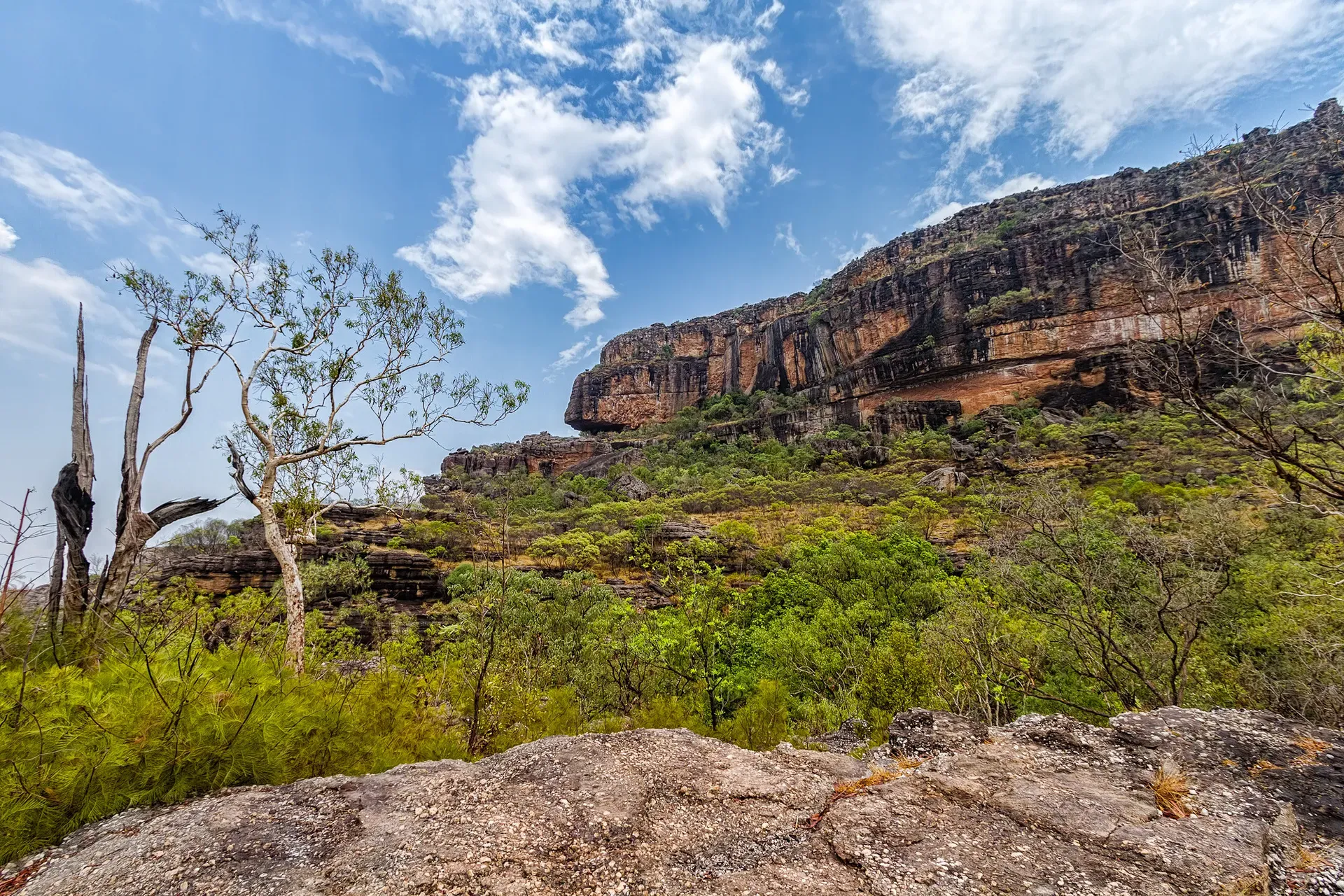
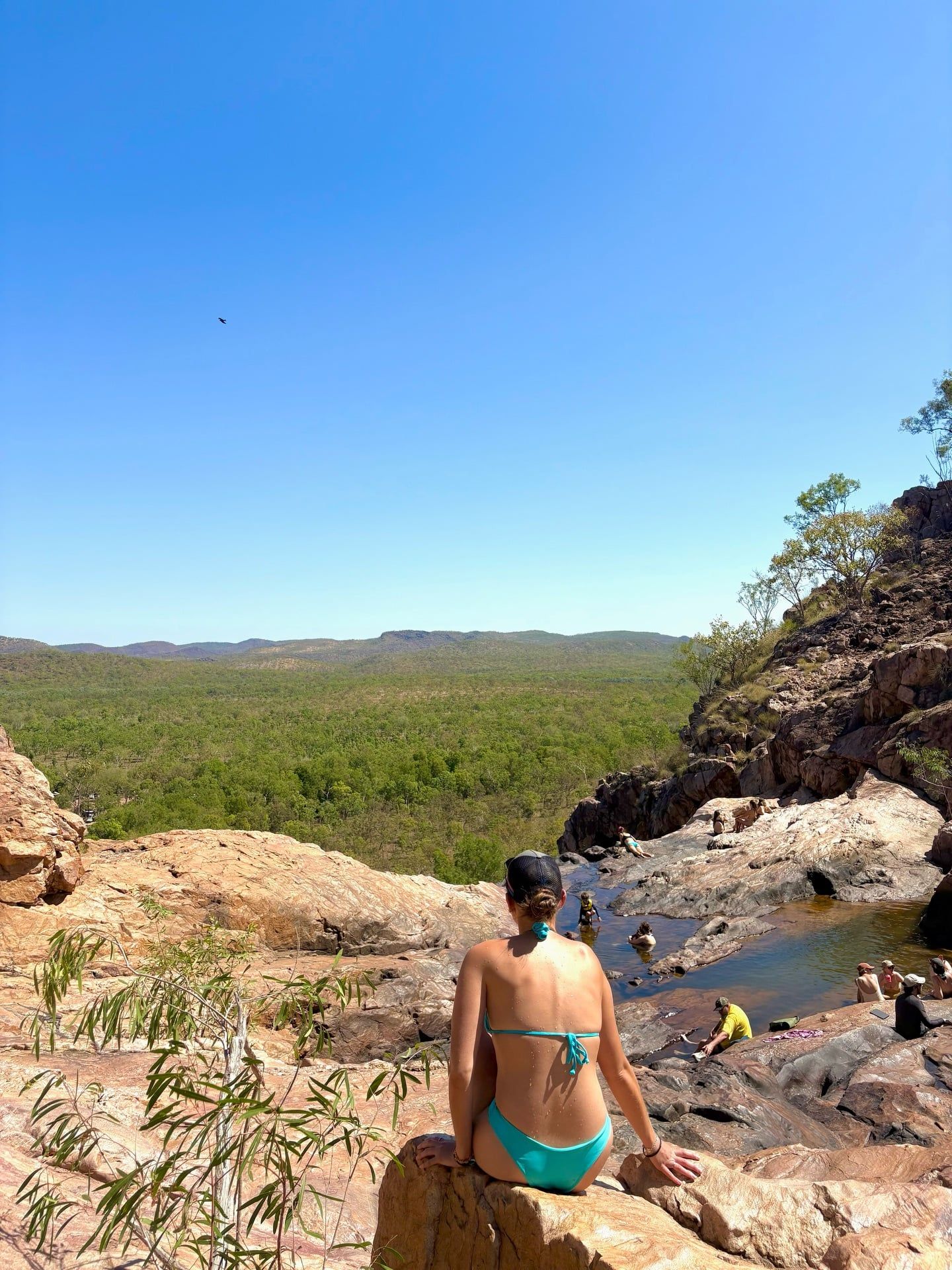
Covering almost 20,000 square kilometers of the Northern Territory, this dual World Heritage site protects 20,000-year-old Aboriginal rock art and floodplains holding more than 10,000 saltwater crocodiles. You can hike to the rim of Gunlom Falls for sweeping views or cruise Yellow Water Billabong at dawn to watch jabiru storks hunt in the mist.
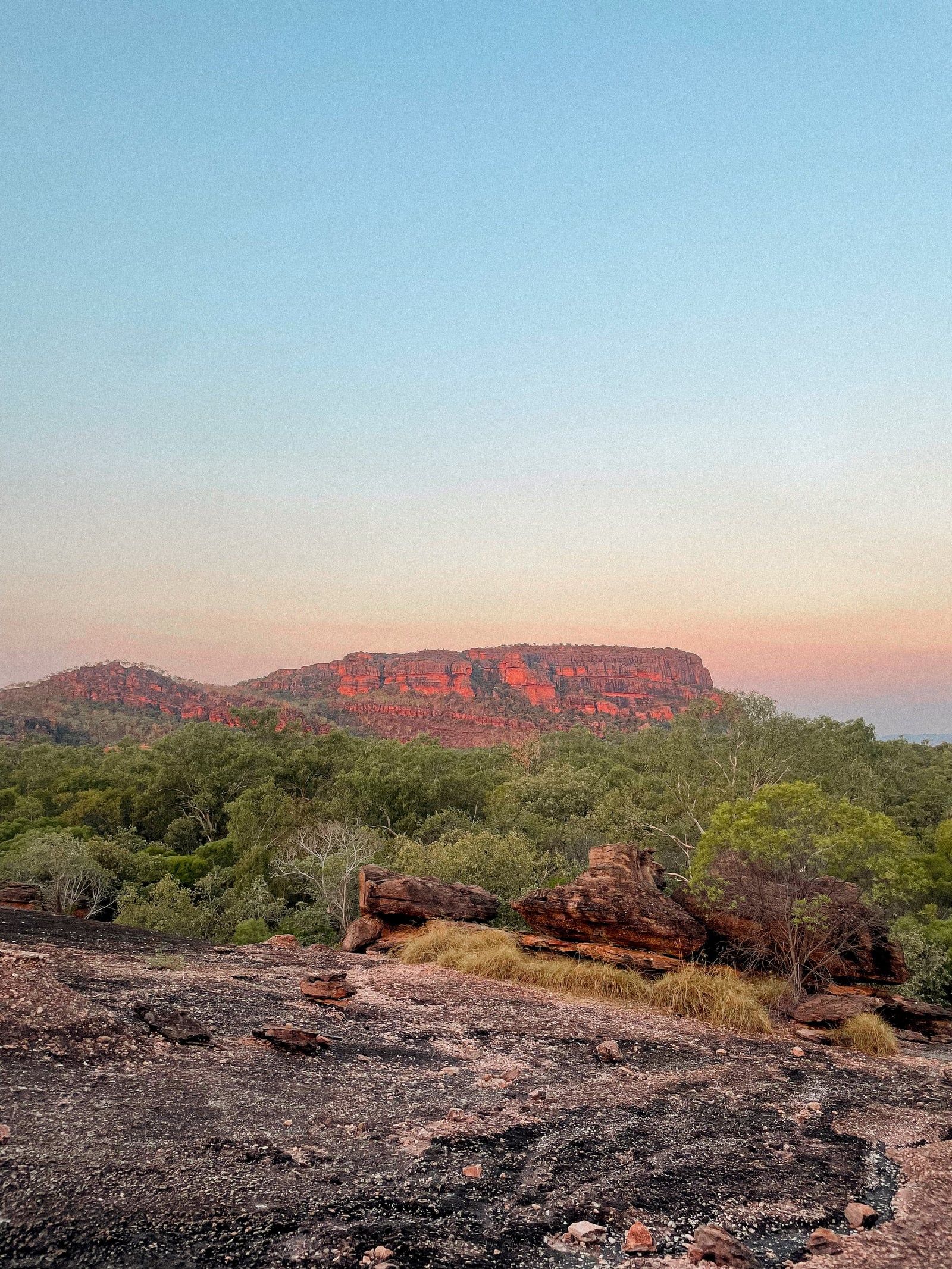
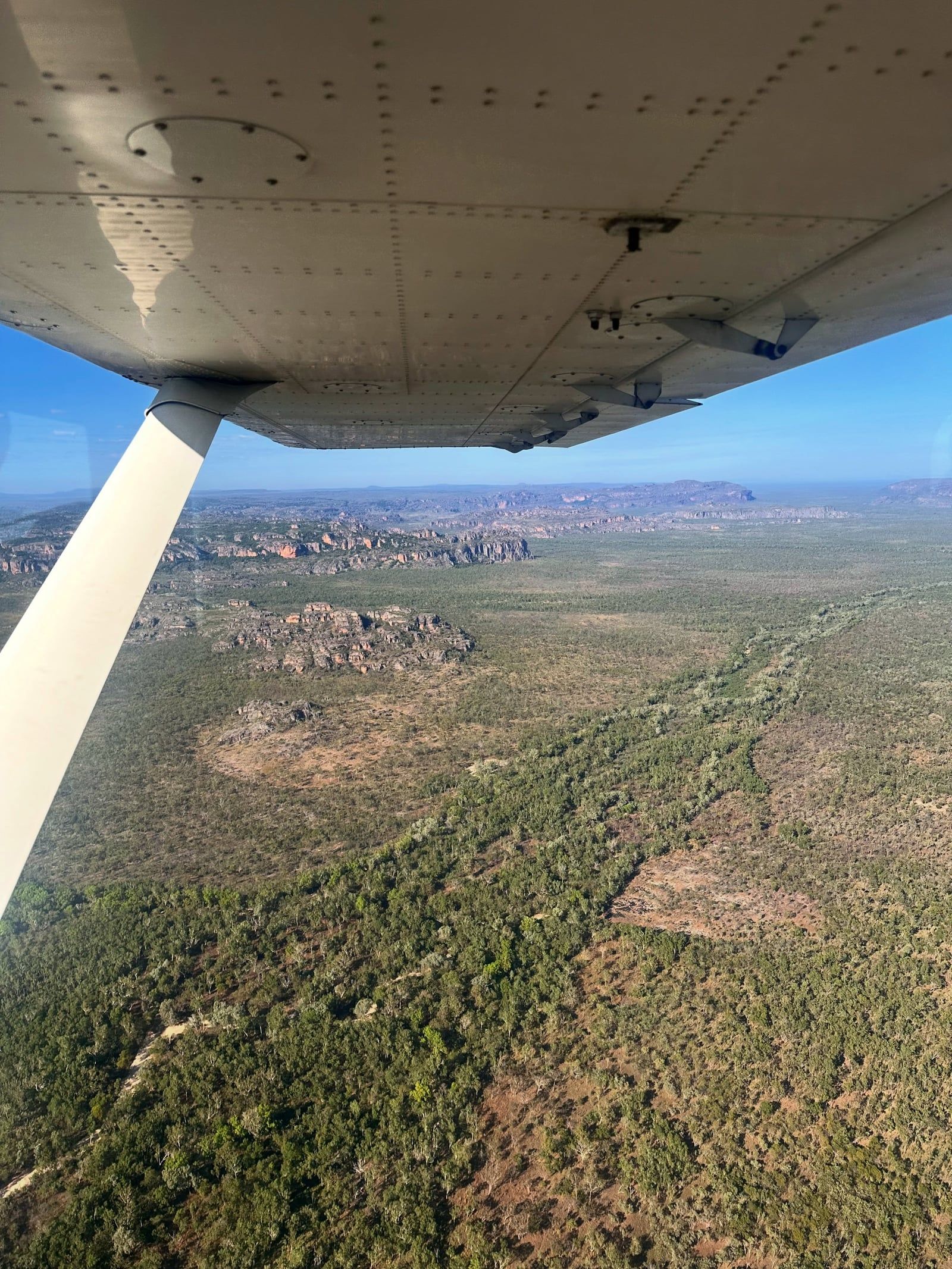
Find Guided ToursKakadu National Park covers almost 20,000 square kilometres of the Northern Territory, roughly 250 kilometres southeast of Darwin. That's about half the size of Switzerland. Savanna woodlands make up 80 percent of the landscape. Mangrove-lined tidal flats dominate the north, and the sandstone Arnhem Land escarpment rises in the south. These 30- to 300-metre cliffs formed 140 million years ago under a shallow sea. They still erode by up to a metre every thousand years.
The park holds dual UNESCO World Heritage status for its natural and cultural values. Only three other Australian sites share this designation. It supports around 2,000 plant species and 280 types of birds. More than 10,000 saltwater crocodiles live in the waterways.
Aboriginal people have lived here for more than 65,000 years. Traditional Owners hold title to over half the land. They manage the park jointly with Parks Australia. Rock art galleries at Ubirr and Nourlangie contain paintings up to 20,000 years old.
The art documents both ancient life and early European contact. At Nanguluwurr, you'll find first contact paintings of European tall ships. The government declared Kakadu a national park in three stages between 1979 and 1991. The protected area expanded again in 2011 when Traditional Owners requested the inclusion of the Koongarra region.
Discover the full history and cultural significance on our About page.
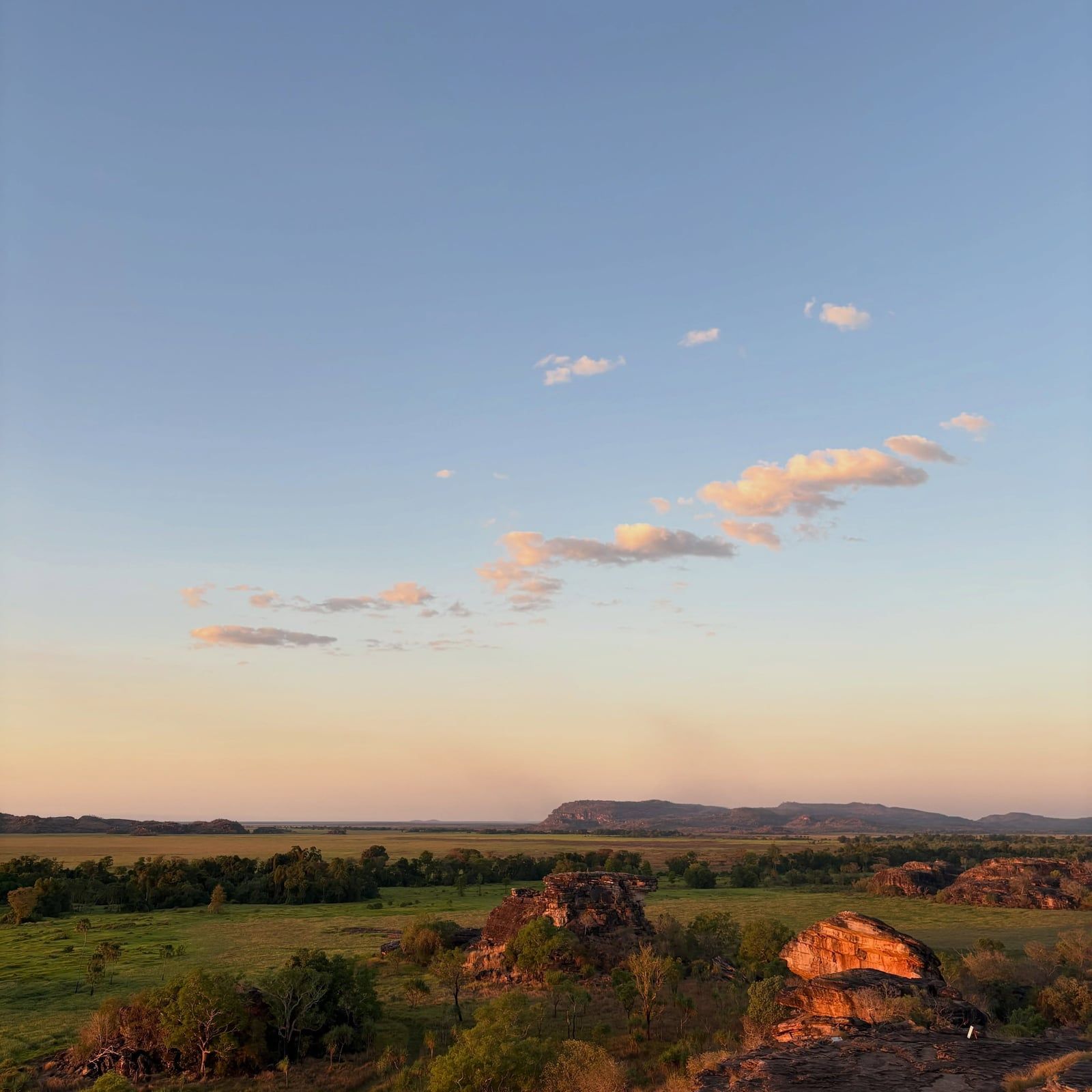
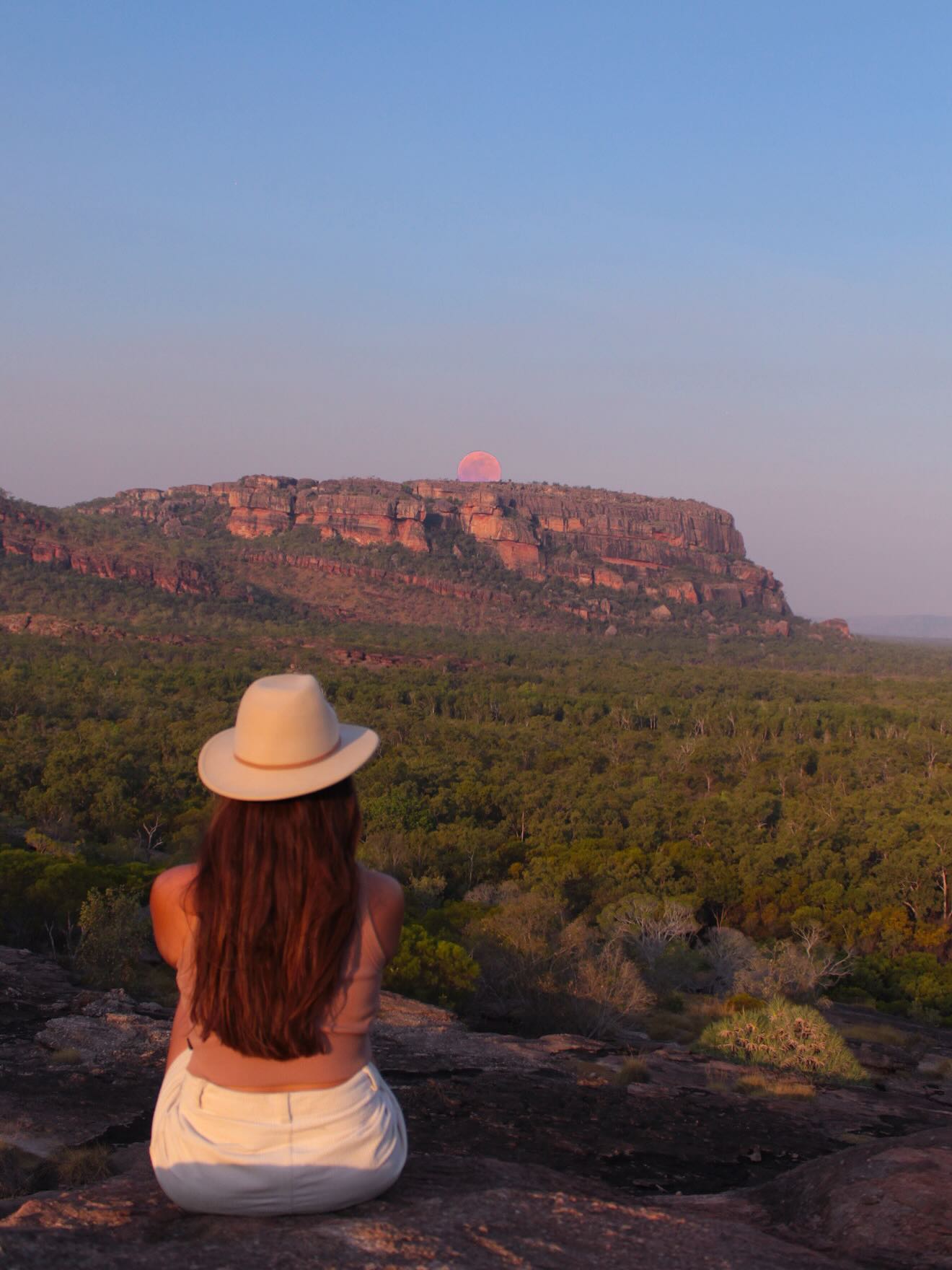
A short walk at Ubirr passes Aboriginal rock art galleries dating back 20,000 years, featuring X-ray style fish and animals. Nearby Nanguluwurr shows early European tall ships. The path ends at a lookout with a 360-degree view over the Nadab floodplain. Go at sunset.
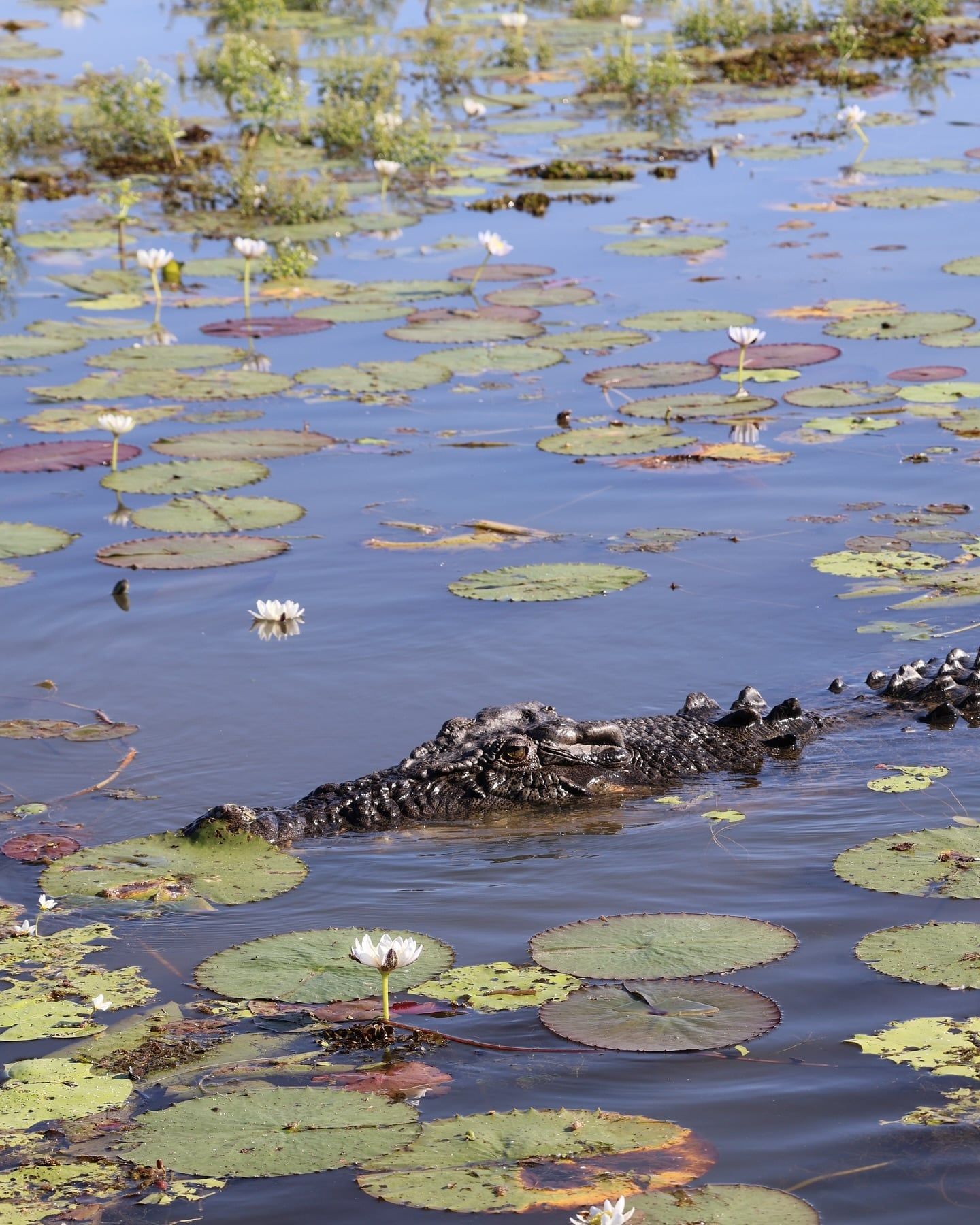
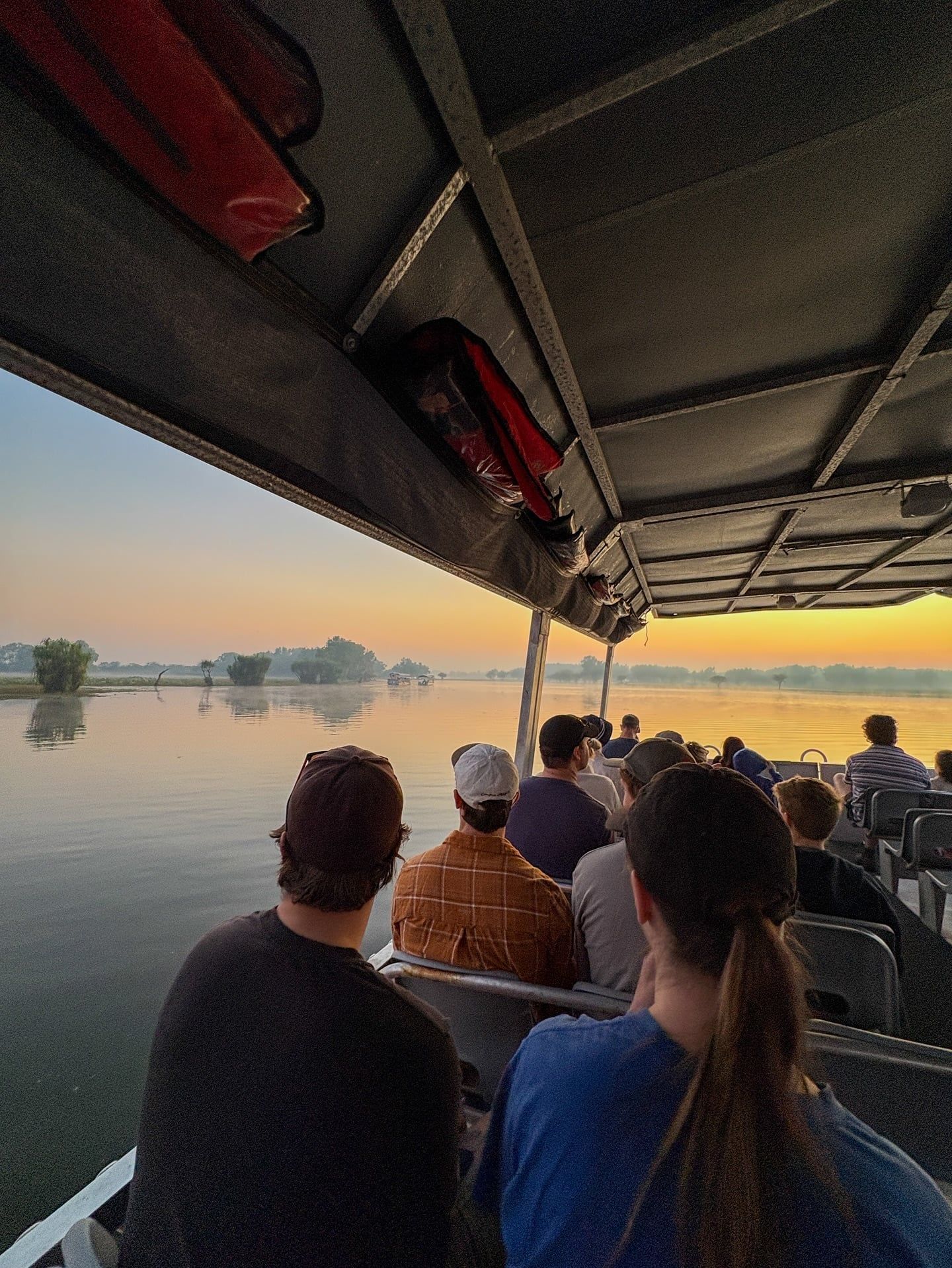
Book the dawn departure. Mist rises off the wetlands near Cooinda as the boat sets out. Saltwater crocodiles glide through lily-covered water while jabiru storks and sea eagles hunt. Thousands of waterbirds gather on the billabong in the early morning light. The golden hour makes animal sightings easier.
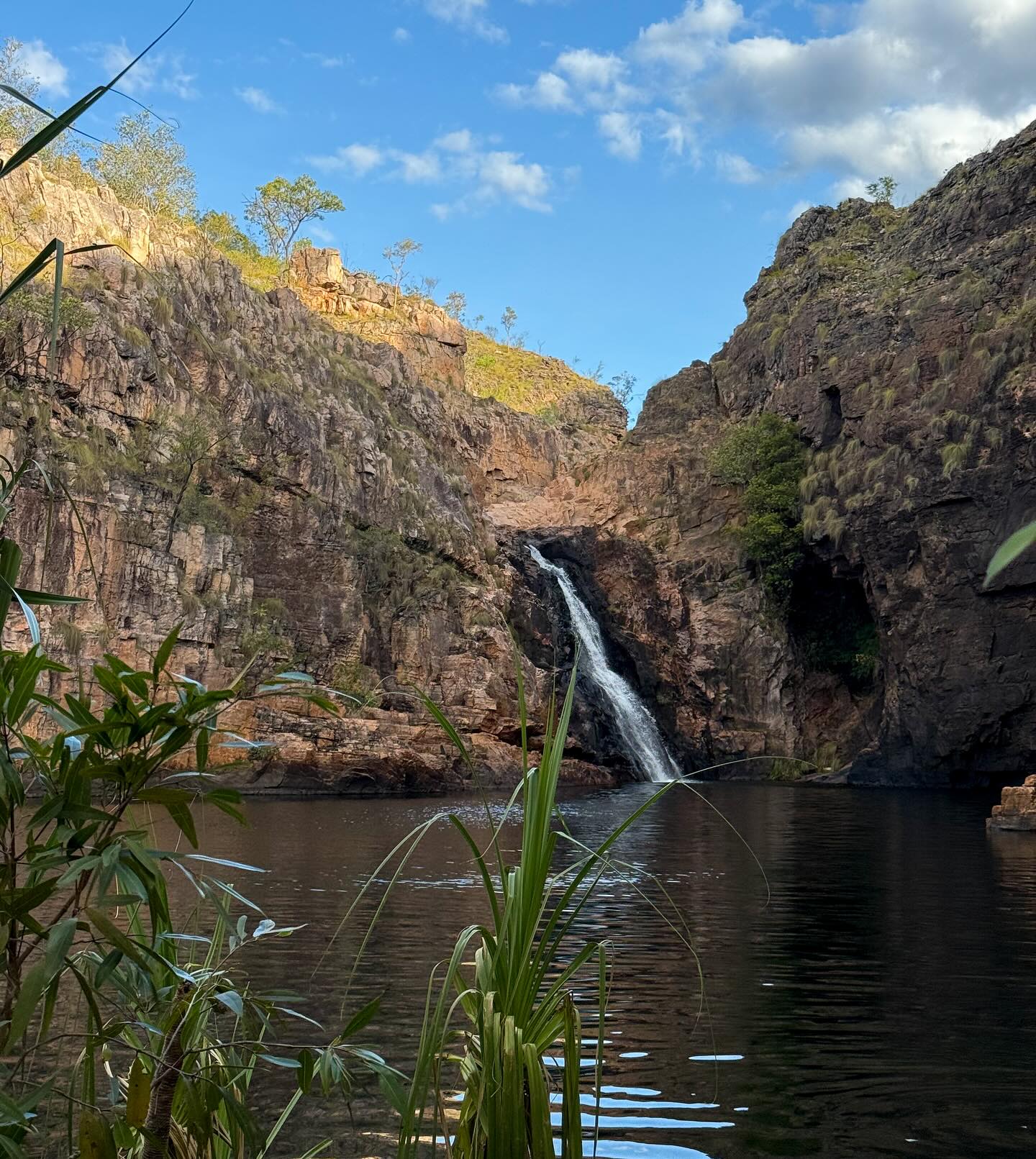
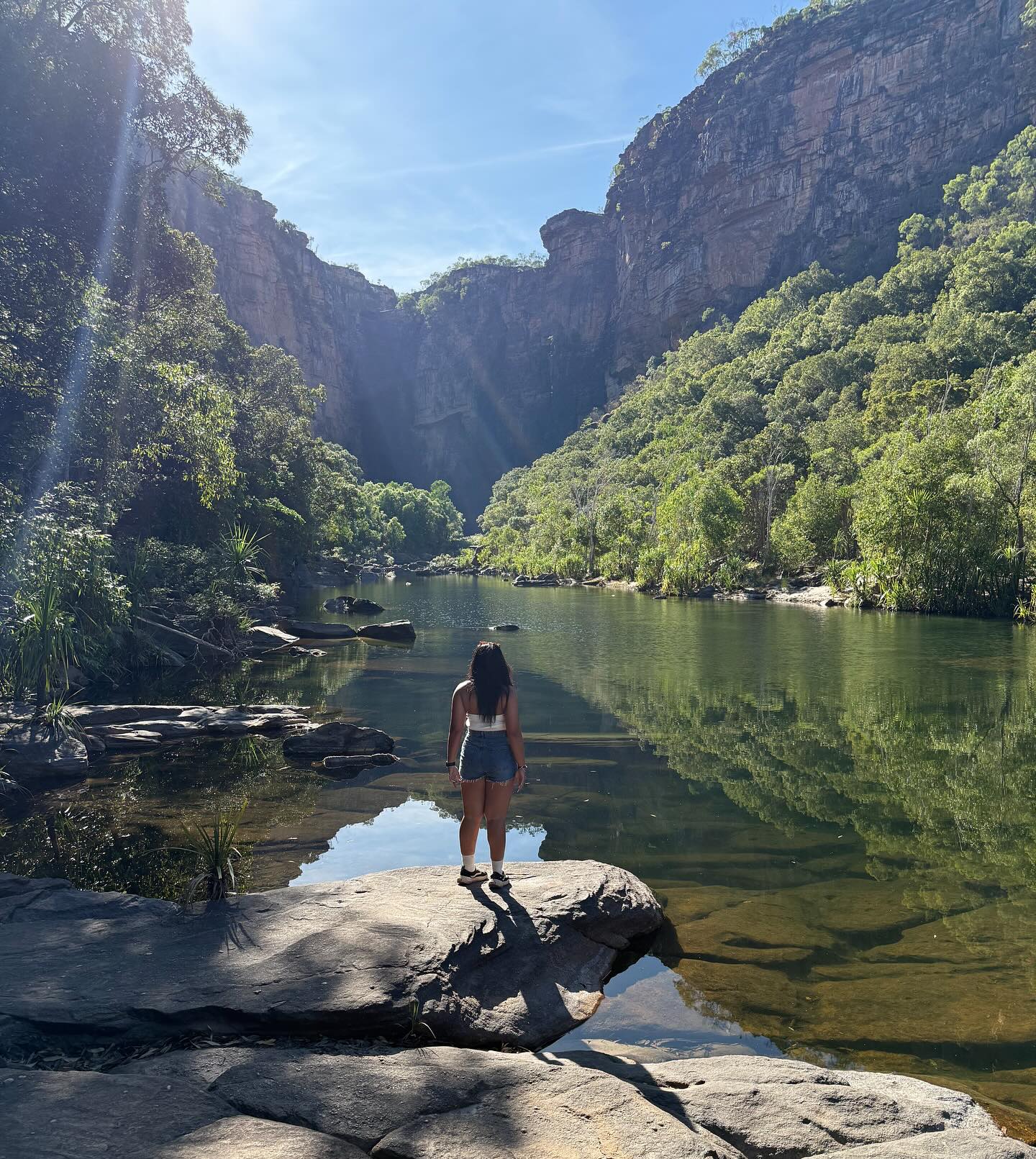
A rugged 4WD track opens around July. It leads to 200-metre sandstone cliffs that form a massive amphitheatre around a cool plunge pool. You need a high-clearance vehicle to get here. The road completely closes when the tropical summer rains hit.
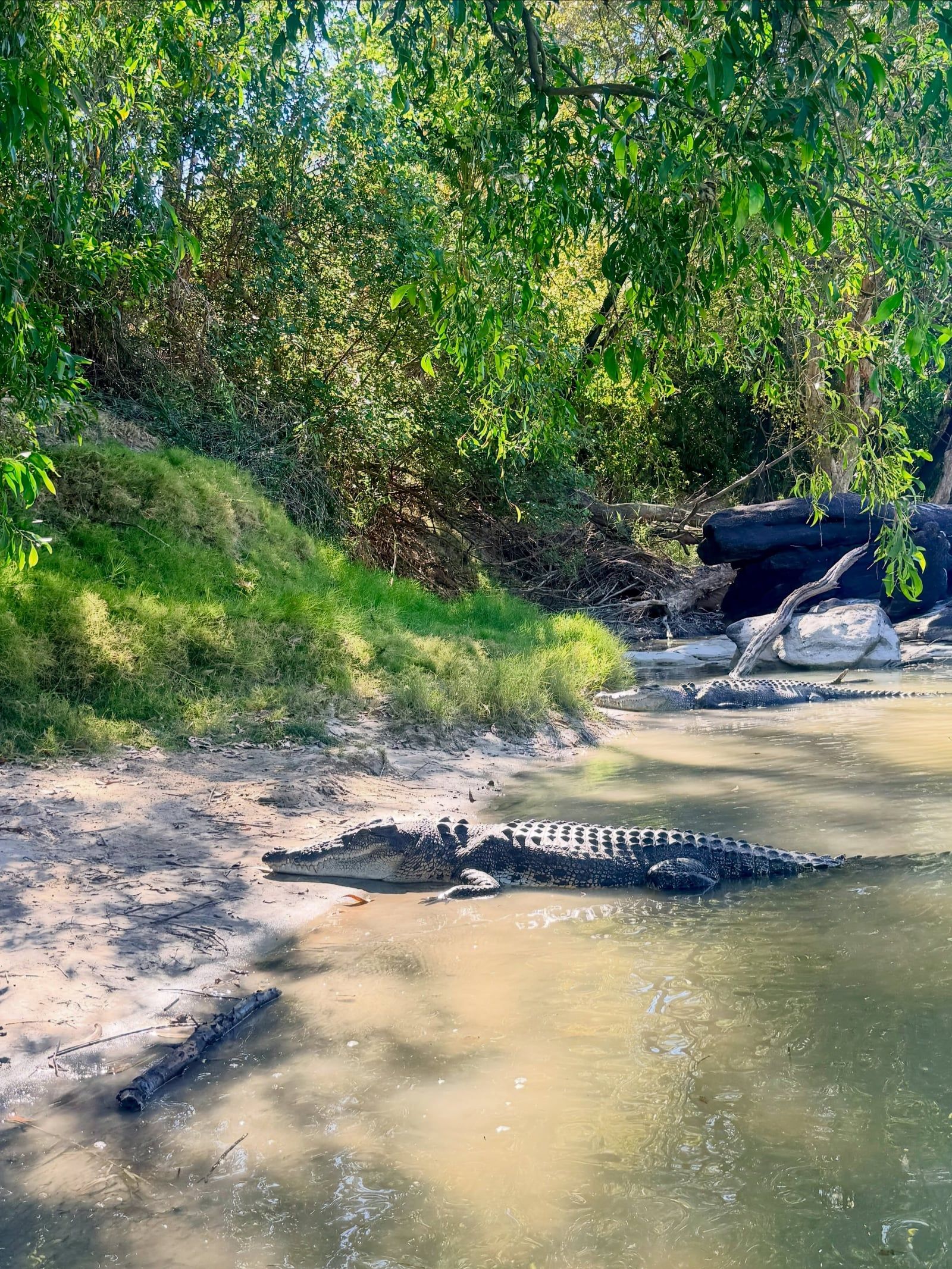
Head to the East Alligator River to watch saltwater crocodiles hunt. Up to seven gather in one short stretch of water—the action peaks during tidal surges when barramundi wash through the crossing. Obey the warning signs. Stay well back from the edge.
Book a tour starting at $77.17, with available Darwin hotel pickups and free cancellation up to 24 hours before departure.
Swipe to see more
 Free Cancellation 14h
 Free Cancellation 13h
 Free Cancellation 12h
 7h 30min
Go between May and October when the dry season opens up the 4WD tracks to Jim Jim and Twin Falls. The cooler weather makes walking comfortable, and shrinking waterholes force wildlife into plain sight.
September and October offer dry walking tracks and concentrated wildlife before the November monsoon hits. Heat builds late in the season, and early rains begin closing dirt roads.
Monsoon storms dump up to 1.5 metres of rain, flooding a third of the park. Extreme heat, heavy humidity, and rising water close major 4WD tracks, campgrounds, and waterfalls.
March and April remain hot and flooded, keeping remote sites off-limits. By May, the tropical rains stop, temperatures drop, and access slowly opens across the escarpment and floodplains.
Prime dry season. Roads and waterfalls are fully accessible, including the rugged tracks to Jim Jim and Twin Falls. Expect comfortable walking weather, but book your accommodation well in advance.
Kakadu stays open year-round. Monsoon floods shut down many roads and sites during the wet season, but the park itself never officially closes. Bowali Visitor Centre operates from 9 am to 5 pm during the Dry season (April to October). Hours shrink to 10 am to 4 pm from November to March. It stays closed on Christmas and New Year's Day. Specific walk gates, like Anbangbang Billabong, stick to a strict 7 am to 7 pm daily schedule.
| Category | Price |
|---|---|
| Adult (16+) - Dry Season (15 May to 31 Oct) | $40 |
| Adult (16+) - Tropical Summer (1 Nov to 14 May) | $25 |
| Child (5-15) - Dry Season | $20 |
| Child (5-15) - Tropical Summer | $12.50 |
| Family (2 adults + 2 or more children) - Dry Season | $100 |
| Family (2 adults + 2 or more children) - Tropical Summer | $65 |
| Concession - Dry Season | $30 |
| Concession - Tropical Summer | $19 |
| Northern Territory residents (with proof) & Australian school groups | Free |
All non-NT residents need a 7-day park pass. Buy it online at book.parksaustralia.gov.au to save time, or purchase it at a visitor centre. Separate permits are required if you plan to bushwalk off-track, camp outside designated zones, or visit restricted areas like Jarrangbarnmi (Koolpin Gorge).
For complete schedules and ticket prices, visit our Hours & Fees page.
Commercial flights land in Darwin or Alice Springs, leaving you to drive or join a tour for the final leg. No public transport operates anywhere within the park boundaries.
Rent a 2WD, 4WD, or motorhome in Darwin. Take the Stuart Highway south, then turn onto the Arnhem Highway. The route runs entirely on sealed roads. Break up the trip with a stop at Fogg Dam Conservation Reserve to spot wetland birds. Fill up your tank before crossing the park boundary.
Book a guided excursion leaving from Darwin if you lack your own transport. Operators run everything from single-day bus trips to multi-day camping safaris in 4WDs. Most itineraries hit major highlights like Ubirr, Yellow Water, and Jim Jim Falls. Meals and ranger-guided walks are usually included. This solves the park's total lack of public transit.
Travelers visiting Katherine Gorge often enter the park from the south. Hire a vehicle in Katherine and head along the Stuart Highway. You then turn onto the Kakadu Highway to cross directly into the reserve. The drive covers just over 200 kilometers. It takes roughly three hours to complete the trip.
Driving from central Australia requires a massive time commitment. The iconic Red Centre Way stretches roughly 1,900 kilometers from Alice Springs up to Kakadu. You pass straight through Katherine on the way north. Tackle this route as a self-drive expedition or join a guided tour. It connects the desert directly to the northern wetlands.
For detailed transport options and routes, visit our Directions page.
Get your 7-day park pass at book.parksaustralia.gov.au before arriving. It saves time at the gate. Passes cost $40 for adults in the dry season and drop to $25 from November to May. Families pay $100 or $65 depending on the season.
Jabiru and Cooinda are the only places inside the park selling unleaded and diesel fuel. Distances between sites are massive. Don't let your gauge drop too low. A breakdown out here means a long, hot wait for help.
Extreme tropical heat hits hard by midday. Carry at least one litre of water per hour of walking. Skip the trails between 2:30 pm and 6:30 pm, or after 11 am during the summer build-up. Use the middle of the day for driving or an air-conditioned visitor centre.
Saltwater crocodiles live in rivers, billabongs, and floodplains across Kakadu. They have killed people here. Never swim outside officially designated safe sites. Stay away from the water's edge, even if you don't see warning signs.
Conditions change fast, and wet season rains flood roughly a third of the park. Before heading out, check kakadu.gov.au for road and track closures. Jim Jim and Twin Falls require a high-clearance 4WD and only open during the dry season, usually starting around July.
Flying a recreational drone is illegal in Kakadu. Operating one without a permit violates the EPBC Act. You also need to watch local rules regarding alcohol. Drinking is banned at certain culturally significant sites, including the Ubirr rock art galleries.
Tumbling waterfalls and safe swimming holes make this a popular, compact alternative to Kakadu. You'll also find forests of magnetic termite mounds here. It works best combined with a Top End road trip.
Explore this massive 13-gorge system by canoe, boat cruise, or helicopter. You can also head over to Leliyn (Edith Falls), which provides a year-round swimming spot surrounded by bushland.
Stop here for barramundi fishing and the Adelaide River jumping crocodile cruises. It's right next to Kakadu, making it an easy addition for wildlife watchers driving in from Darwin.
Read what travelers share about their experience visiting Kakadu National Park — from practical tips to personal highlights.
Planning advice, comparisons, and practical tips.
Kakadu doesn't do subtle wildlife. Saltwater crocodiles cruise the billabongs in plain sight, magpie geese blanket the floodplains by the tens of…
Kakadu National Park spreads across almost 20,000 square kilometres between Darwin and Arnhem Land, and nobody sees all of it in one trip. Rock art…
Kakadu hands you four real choices: a hotel bed in Jabiru, a lodge room at Cooinda, a wilderness camp on the Mary River floodplains, or a swag at a…
Kakadu's waterfalls split into two different trips. One is a 4WD slog down corrugated tracks to plunge pools beneath 200-metre cliffs, open only half…
A 7-day park pass costs $40 for adults and $20 for children ages 5 to 15 during the Dry Season from May 15 to October 31. Prices drop to $25 and $12.50 during the Tropical Summer. Northern Territory residents enter free with proof of residency.
Go during the Dry Season from May to October. The weather is cooler and most roads, trails, and waterfalls like Jim Jim and Twin Falls are open. The Tropical Summer brings up to 1.5 metres of rain, flooding a third of the park and closing many 4WD tracks.
Drive 250-254 kilometres southeast on the sealed Stuart and Arnhem Highways. The trip takes about three hours. There is no public transport to or within the park, so you need to hire a 2WD, 4WD, or motorhome, or book a guided tour.
Pack lightweight breathable clothing, sturdy walking shoes, and a broad-brimmed hat to handle the intense tropical heat. Carry at least one litre of water per person per hour when walking. Modest swimwear is fine for designated safe swimming sites.
Several key sites have accessible sections, including the main flat art area at Ubirr and the Mamukala Wetlands bird hide. The Bowali Visitor Centre is fully accessible with dedicated parking. You can also reach the first loop of the Anbangbang Billabong walk and its picnic tables in a wheelchair.
You need a standard 7-day park pass, which you can buy online at book.parksaustralia.gov.au or at visitor centres. Additional permits are required for off-track bushwalking, overnight camping outside designated areas, or visiting restricted sites like Jarrangbarnmi.
Plan for two to three days to see main highlights like Ubirr, Nourlangie, and the Yellow Water billabong. Give yourself four to five days if you want to explore further south to Maguk, Gunlom, and the 4WD-only Jim Jim Falls.
Swimming in most waterways is dangerous due to the park's population of over 10,000 saltwater crocodiles. Only get in the water at officially designated safe sites and always obey warning signs. Flash flooding and slippery rocks pose additional risks near waterfalls.
Browse verified tours with free cancellation and instant confirmation.
Find Tours


